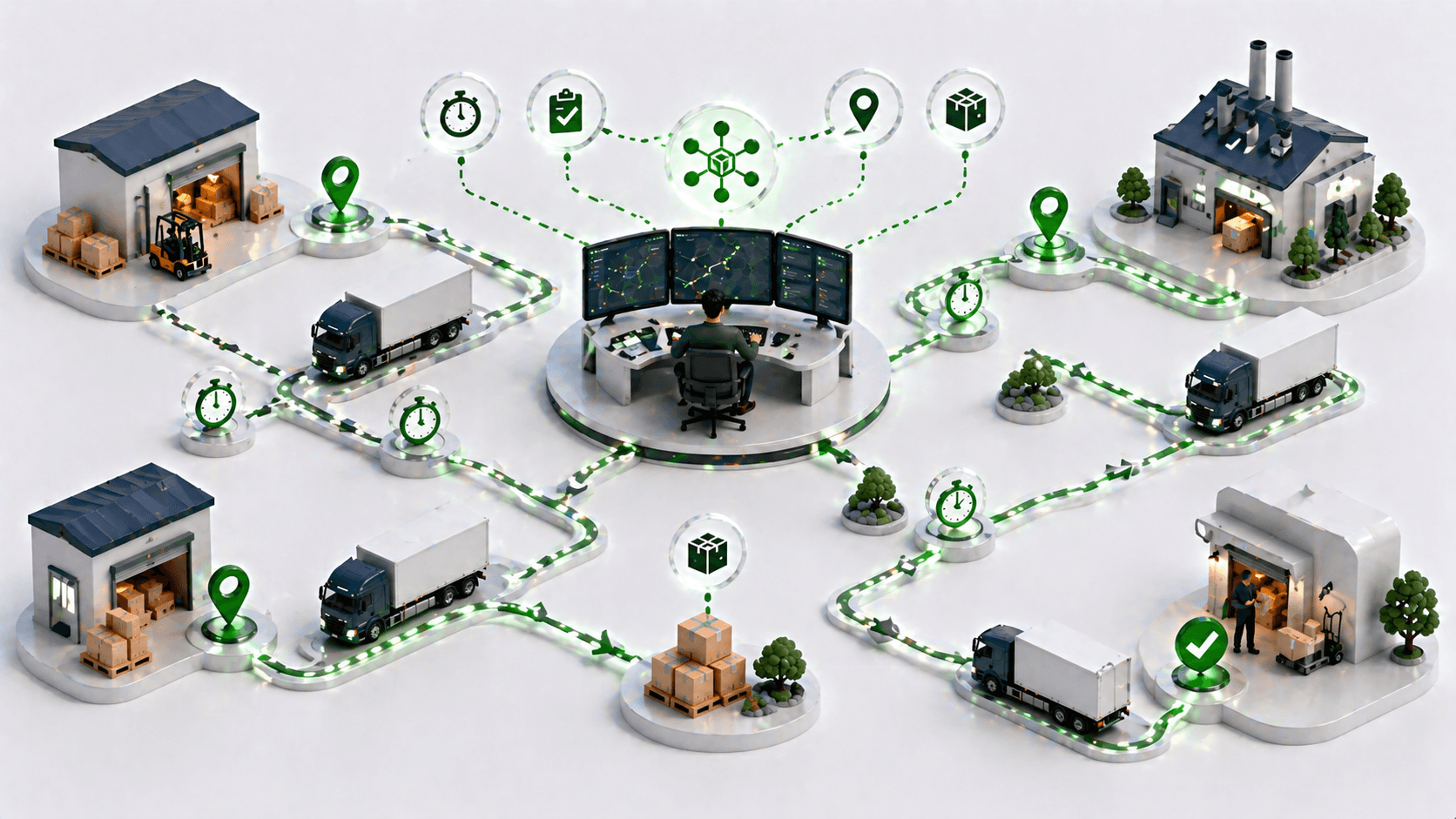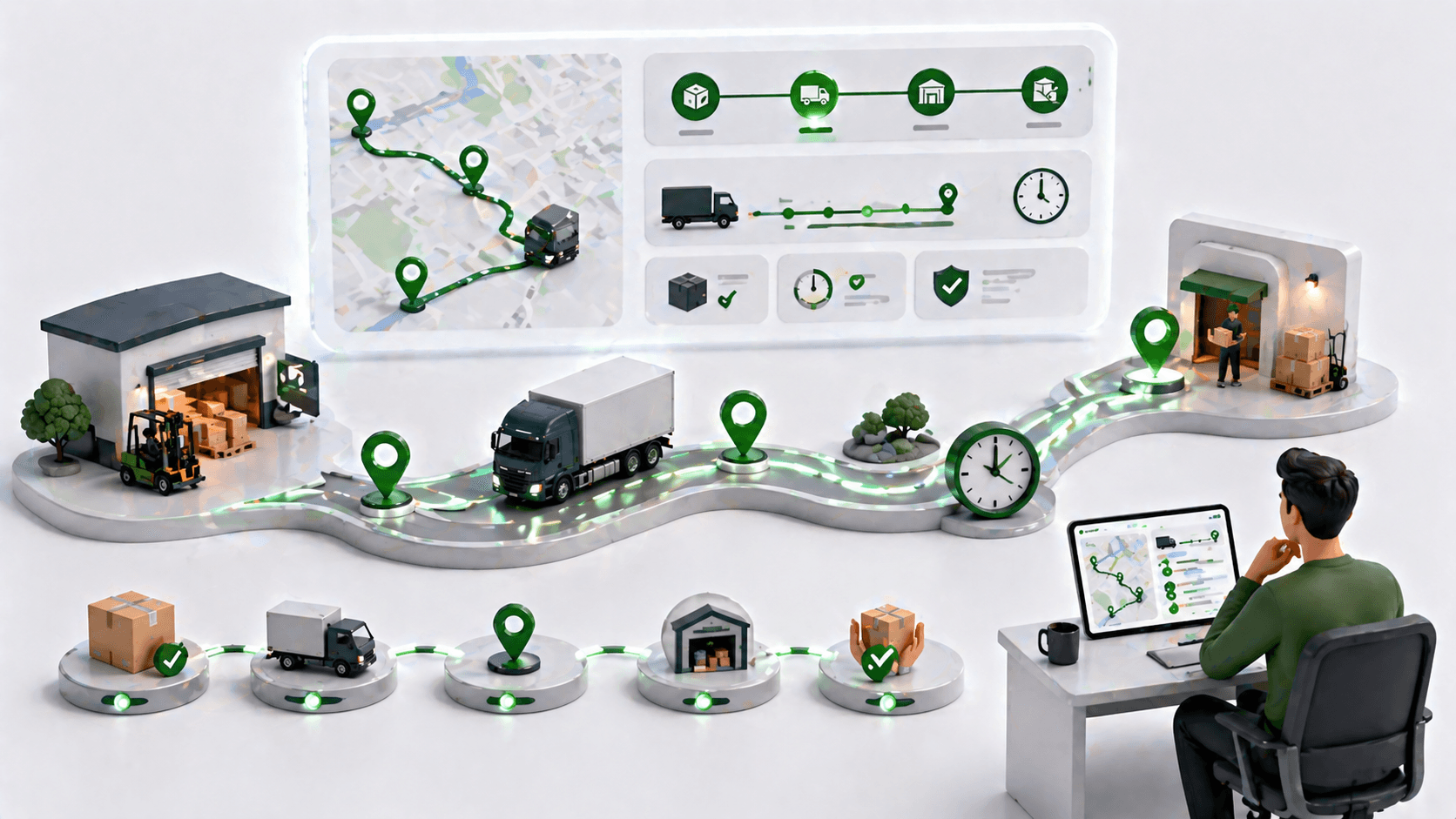
Shipment tracking should feel simpler because visibility is only valuable when it reduces uncertainty. If a tracking system technically exists but still leaves users confused about what is happening, it is not doing enough. Better shipment tracking should not just report movement. It should help users understand the state of the process and what that state actually means.
Why "tracking exists" is not enough
Many logistics systems can show status updates, timestamps, or milestones. But users may still struggle to answer basic questions like:
- Where exactly are we in the process?
- What changed?
- What happens next?
- Is anything delayed?
- Do I need to act?
- Is this state normal or a problem?
If tracking does not help answer those questions, it becomes informational but not operationally useful.
Why simplicity matters in tracking
Simplicity in tracking does not mean oversimplifying logistics. It means reducing the user's interpretation burden.
A simpler experience helps users:
- understand the current state faster
- feel more confident in the process
- spend less time decoding updates
- ask fewer repetitive follow-up questions
- make better decisions when exceptions happen
That is not just better UX. It is better coordination support.
Why confusing tracking creates friction
When tracking feels unclear, the system creates new work instead of reducing it.
That often leads to:
- more calls or messages for clarification
- less confidence in the platform
- more perceived operational risk
- slower response to issues
- reduced trust in the visibility layer itself
In effect, the platform says it is showing progress, but the user still has to manually interpret what that progress means.
What good tracking should communicate
Good shipment tracking should communicate more than movement. It should help users understand:
- current state
- previous state
- likely next step
- whether something needs attention
- whether timing or risk has changed
- what the update means in plain operational terms
The goal is not just more data. It is more useful data.
Why this matters so much in logistics
Logistics contains uncertainty by nature. Delays, changes, timing shifts, and dependencies are normal. That means users need more than passive visibility. They need visibility that supports understanding.
When tracking is clearer:
- trust increases
- coordination improves
- exception handling becomes easier
- operational stress decreases
- the platform feels more reliable
Tracking clarity therefore has real platform value.
Why this matters for Tasio
Tasio is built around the idea that logistics platforms should improve visibility and coordination together. Tracking is one of the clearest places where that principle matters.
If tracking is visible but hard to understand, the coordination layer is still weak. A better system should make shipment progress feel more intelligible, not just more exposed.
Shipment tracking should feel simpler because tracking is only helpful when it creates understanding, not just output. Strong logistics platforms do not stop at showing movement. They help users interpret the process, reduce uncertainty, and respond more confidently. That is what better visibility should actually do.