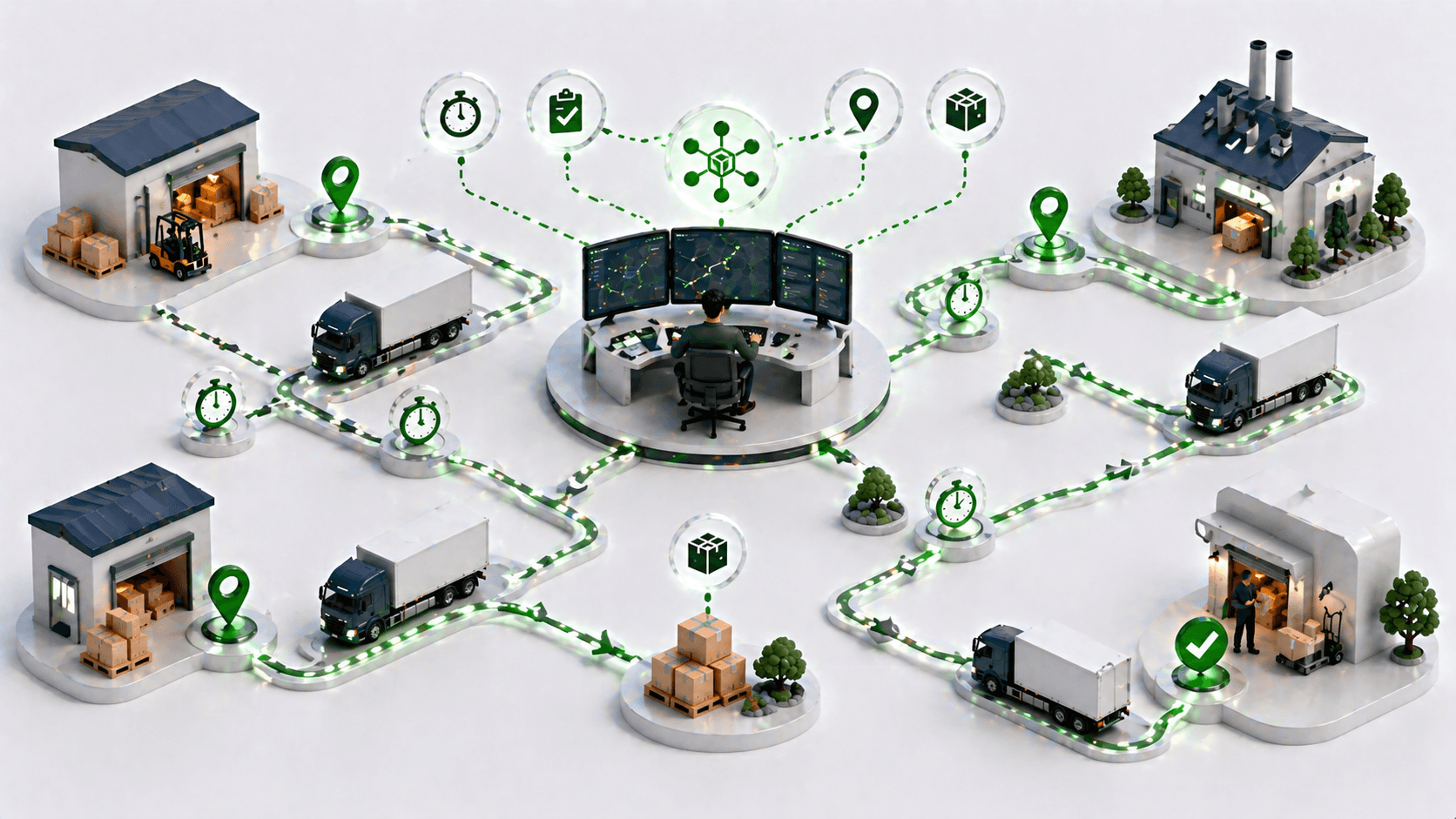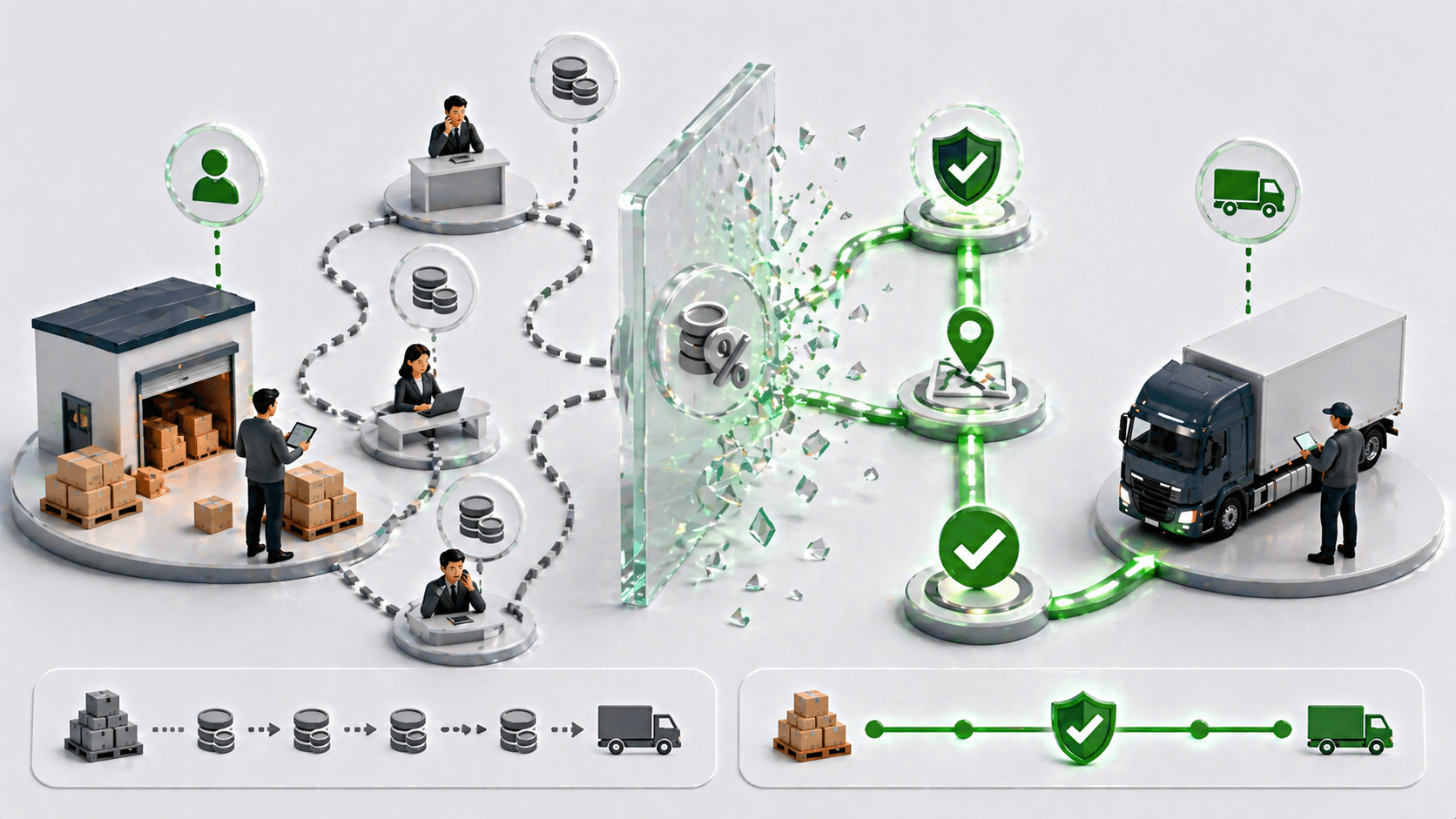
High commissions do not necessarily need to define freight access. In logistics, commission-heavy models may appear normal, but that does not make them optimal. If a platform's core value is better coordination, better visibility, and lower friction, then the business model should support those goals rather than distort them.
Why commission-heavy models seem natural
At a surface level, commissions often look like the obvious monetization choice. A platform connects two sides, so it takes a share of the resulting transaction.
That logic is simple, but simplicity is not the same as strategic fit.
The better question is: What kind of platform behavior does this model create over time?
Because in logistics, the answer matters.
What high commissions can distort
A high-commission environment can influence market behavior in ways that are not always healthy.
It may:
- push users to move activity outside the platform
- weaken trust in the platform's neutrality
- distort price expectations
- encourage volume over coordination quality
- reduce long-term alignment between platform and participants
This becomes especially important if the platform claims its value lies in making logistics clearer and more efficient.
Why freight access is not just a transaction question
Freight access is also a visibility and coordination question.
Participants do not only need a place where transactions can happen. They need a system that helps them:
- understand relevant options
- reduce ambiguity
- evaluate risk
- move faster with better information
- coordinate with less friction
If that is the real value layer, then monetization should reinforce it rather than undermine it.
Why incentive design matters in logistics
Incentives shape product behavior. A business model affects what the platform prioritizes.
If a platform earns more by maximizing transaction extraction, it may gradually focus less on:
- better fit
- better process clarity
- stronger trust signals
- better operational understanding
and more on:
- volume
- control
- capture
- dependency
That can weaken the platform's long-term value, especially in coordination-heavy markets.
Does this mean commissions are always wrong?
No. The question is not whether commissions are inherently bad. The question is whether high commissions are the right fit for the type of value the platform provides.
In some categories, commissions may align well with real product value. But in logistics, where trust, process visibility, and coordination matter deeply, the structure needs closer scrutiny.
A good model should ask:
- Does this reinforce platform usefulness?
- Does it improve behavior on both sides?
- Does it support long-term participation?
- Does it keep incentives aligned with clarity and trust?
If not, it may be the wrong model even if it is common.
Why this matters for Tasio
Tasio is built around the idea that logistics platforms should improve visibility and coordination, not simply sit in the middle of transactions. That means its model should be shaped by what creates durable value in logistics, not just by what appears standard in marketplaces.
If freight access is going to improve meaningfully, the business model should help the platform behave like infrastructure, not just like a toll gate.
High commissions do not automatically need to define freight access. In logistics, the strongest platform model may be the one that reinforces coordination, clarity, and trust rather than simply extracting from each transaction. The real question is not what is common. It is what makes the platform healthier and more useful over time.