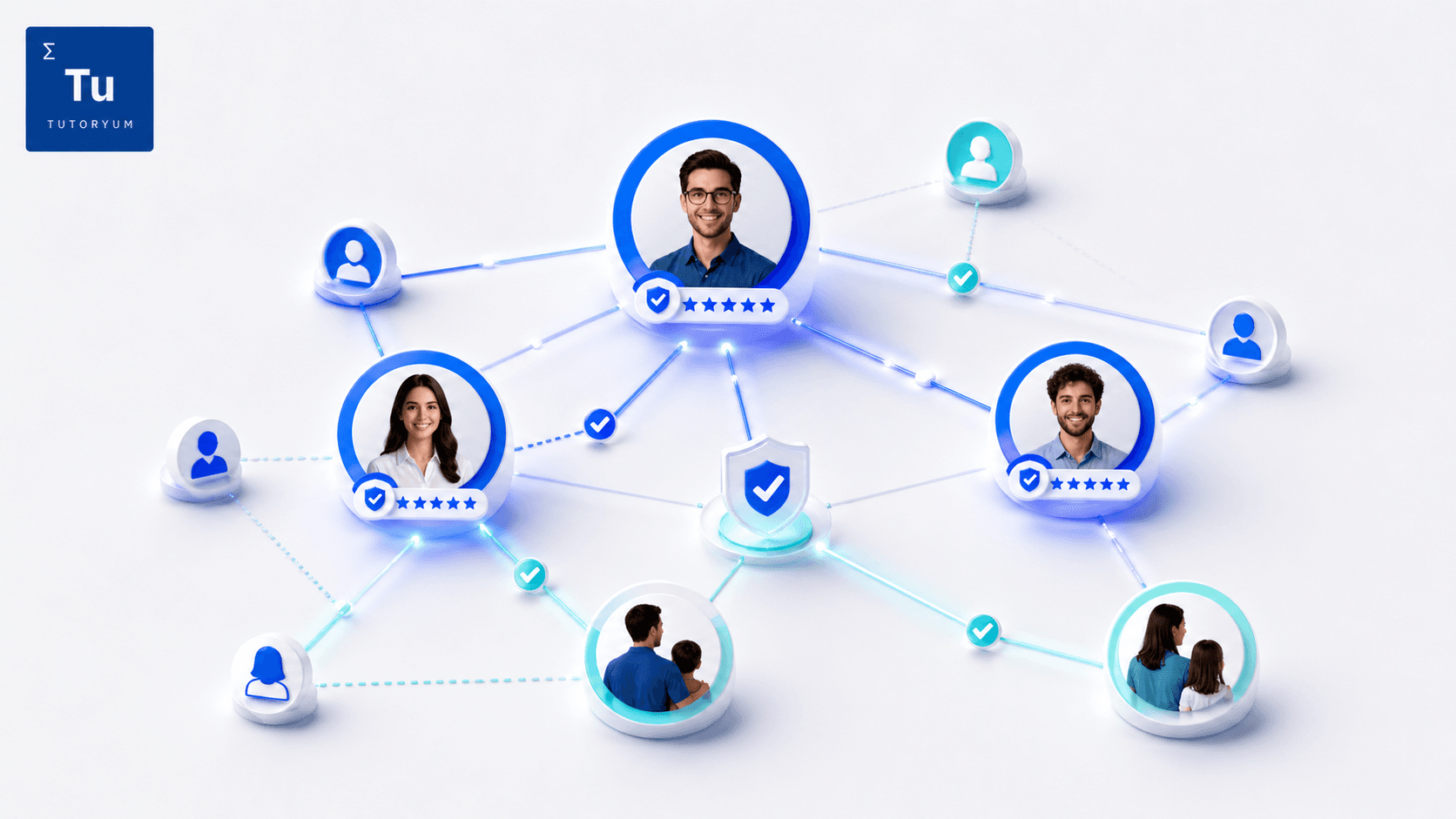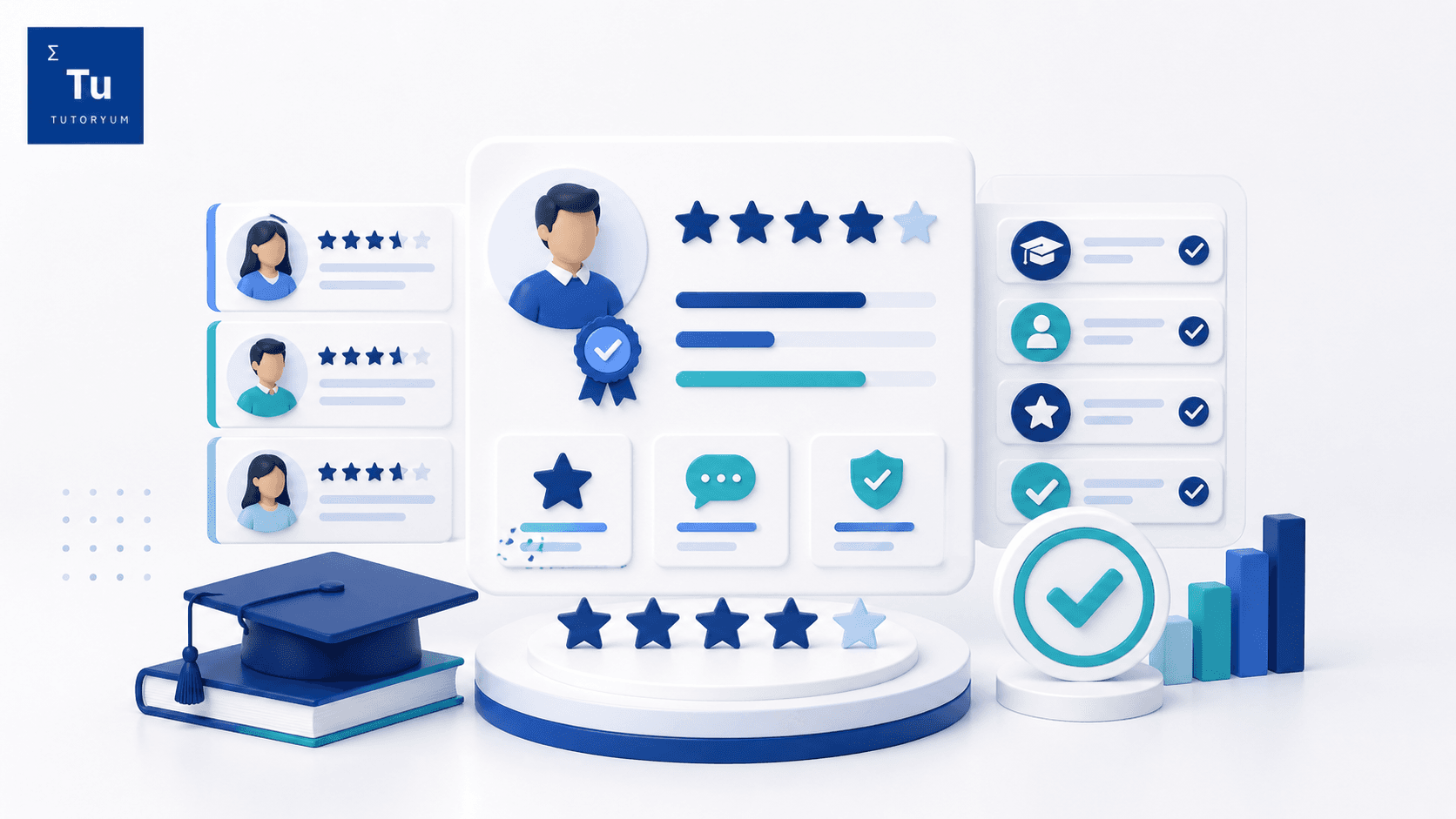
Discovery problems still exist in education platforms because visibility alone does not create good tutor selection. Many platforms have enough tutor supply, but users still struggle to find the right match. The real issue is not quantity. It is the lack of structured decision support around fit, trust, context, and availability.
Why more tutor profiles do not solve the problem
Many education platforms respond to weak outcomes by increasing supply. More tutors, more profiles, more subject categories, more surface-level choice.
But that does not automatically improve discovery.
When users cannot clearly understand:
- who is right for their level
- which tutor fits their goals
- who is actually available
- what the teaching context will be like
- which trust signals matter
then the platform may feel full without feeling helpful.
What discovery actually means in education
Discovery in education is not just search. It is the process by which a student or parent narrows uncertainty and moves toward a confident choice.
That means discovery has to support:
- fit evaluation
- level alignment
- teaching context
- trust judgment
- price understanding
- availability clarity
Without those layers, "discovery" collapses into browsing.
Why tutor selection is more context-sensitive than it looks
A tutor is not simply "good" or "not good." The same tutor may be excellent for one student and a poor fit for another.
That is why tutor discovery is more difficult than simple profile comparison. The right decision often depends on:
- student age or level
- learning goals
- subject depth
- communication style
- lesson format
- schedule compatibility
If the platform does not surface those dimensions well, users fall back on guesswork.
Why users still rely on referrals
Many users still rely heavily on personal referrals when choosing tutors. That is not just a cultural habit. It is a platform signal.
It usually means the platform is not creating enough trust or enough structured comparison to replace informal recommendation networks.
Referrals fill the discovery gap because they reduce uncertainty. But they also narrow the market, reduce fairness of visibility, and limit access to strong tutors outside a user's personal circle.
What weak discovery looks like in practice
Weak discovery often produces familiar symptoms:
- users spend too much time browsing
- they cannot compare tutors confidently
- reviews feel generic
- profile differences are unclear
- pricing context is weak
- availability appears late in the process
The result is not necessarily platform abandonment. Often it is slower decision-making, lower trust, and weaker matching quality.
Why education platforms need better infrastructure, not just better presentation
The problem is not usually design polish. It is system depth.
Strong discovery in education requires:
- structured profiles
- contextual review systems
- level and subject clarity
- trust architecture
- fit logic
- availability visibility
This is infrastructure work, not just interface work.
How Tutoryum approaches the discovery problem
Tutoryum is built around the idea that private education needs more structured discovery. Its goal is not just to show tutors online, but to make tutor selection clearer, more comparable, and more trustworthy.
That means treating discovery as a core product problem rather than a secondary browsing feature.
Discovery problems still exist in education platforms because most platforms expose supply better than they support decisions. The challenge is not just helping users find tutors. It is helping them find the right tutor with enough confidence to act. Better tutor discovery requires stronger platform infrastructure, not just more listings.