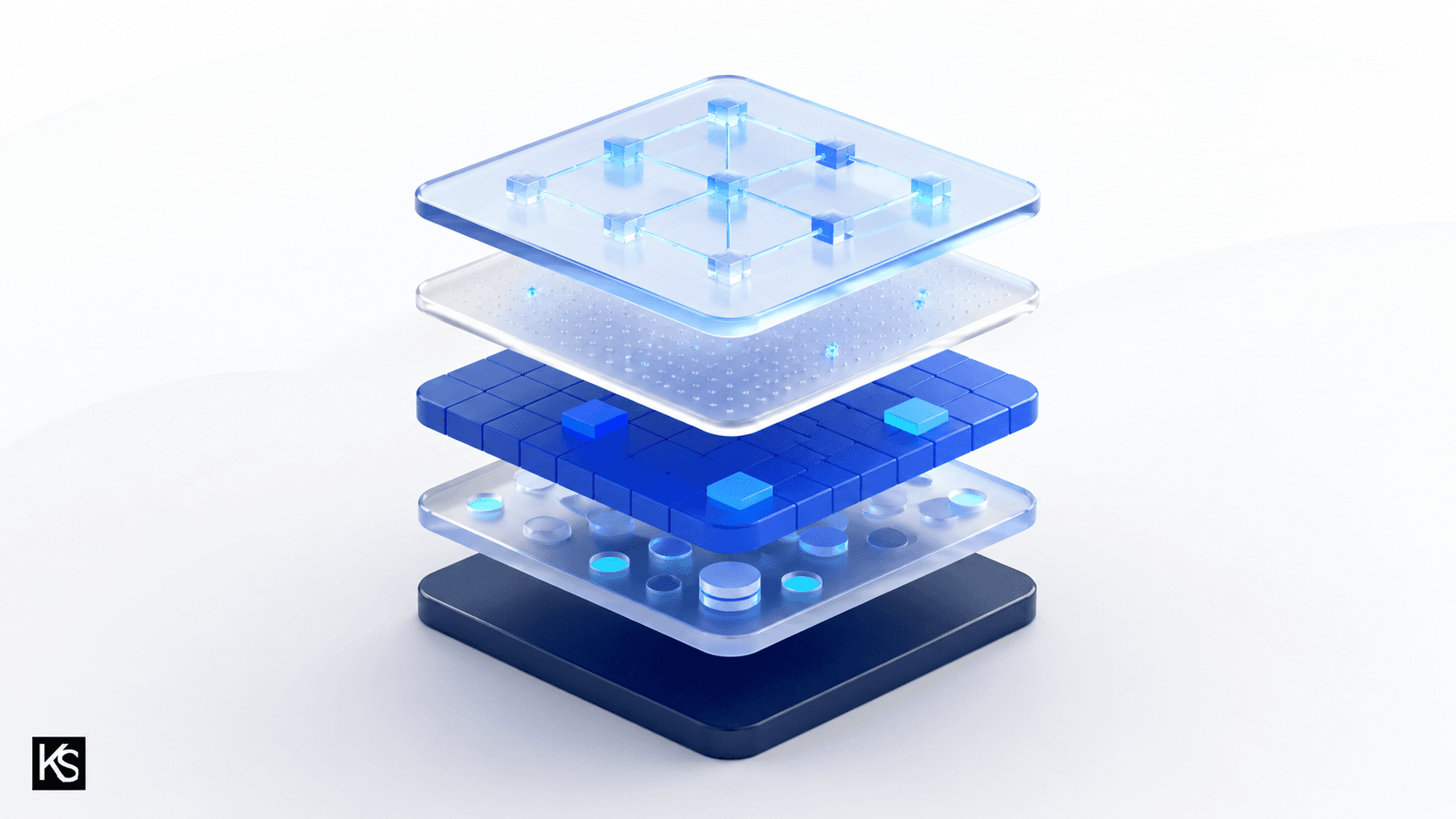
Great platforms do more than add listings. They reduce friction across discovery, evaluation, decision-making, and follow-through. A platform that simply accumulates options may look large, but a platform that helps users move through complexity clearly is the one that creates real value.
Why more listings do not automatically make a platform better
A common mistake in digital platform building is to treat quantity as progress. More listings, more profiles, and more visible options can make a product feel bigger, but they do not necessarily make it more useful.
In fact, when structure is weak, more listings often increase friction rather than reduce it.
Users may begin to ask:
- What is the actual difference between these options?
- Which one is relevant to me?
- Which one can I trust?
- Which one is actually available?
- Why does this platform make comparison feel harder, not easier?
When those questions remain unanswered, the platform may have scale, but it does not yet have quality.
What friction actually means in a platform context
Friction is anything that makes users work harder than they should in order to reach a good decision.
That can include:
- unclear information
- poor filtering
- weak comparison logic
- hidden pricing
- confusing next steps
- low trust visibility
- fragmented coordination
Friction is not just inconvenience. It is a structural product problem. The more friction a platform creates, the more likely users are to hesitate, abandon, or move outside the platform.
Why friction reduction is a better design goal than listing growth
Listing growth is easy to measure, but friction reduction is more meaningful. Strong platforms reduce the amount of effort users need in order to:
- understand choices
- compare quality
- assess fit
- trust the information
- take the next step confidently
That is what makes the platform genuinely useful.
A platform does not become great because it has more things on it. It becomes great because it makes complexity more manageable.
Where friction usually shows up
In discovery
Users cannot easily narrow their options or understand what matters.
In comparison
The platform presents many choices but makes them hard to evaluate side by side.
In trust
Users see options but lack enough confidence to act.
In coordination
Once a user selects something, the next step feels messy, unclear, or disconnected.
These are all signs that the system is functioning as exposure but not yet as infrastructure.
How great platforms reduce friction
Great platforms usually do a few things well:
They structure information
They turn messy data into useful comparisons.
They surface the right signals
They show not just what exists, but what matters.
They reduce ambiguity
They make availability, fit, price, and trust easier to understand.
They guide next steps
They do not stop at exposure. They support action and coordination.
This is what turns a platform from a listing surface into a decision system.
Why Kapseller sees this as a core platform principle
Kapseller's approach is based on the idea that modern digital markets often suffer from decision friction more than visibility scarcity. That is why Kapseller focuses on matching infrastructure rather than simple listing growth.
Products like Tutoryum, BarberYou, and Tasio are built around the belief that better decisions come from better structure, not just bigger inventories.
Great platforms reduce friction, not just add listings. Listing growth may increase surface-level scale, but friction reduction is what increases real usability. The strongest platforms help users move from uncertainty to clarity with less effort, better judgment, and more confidence.